Choosing a web design partner for pages that convert

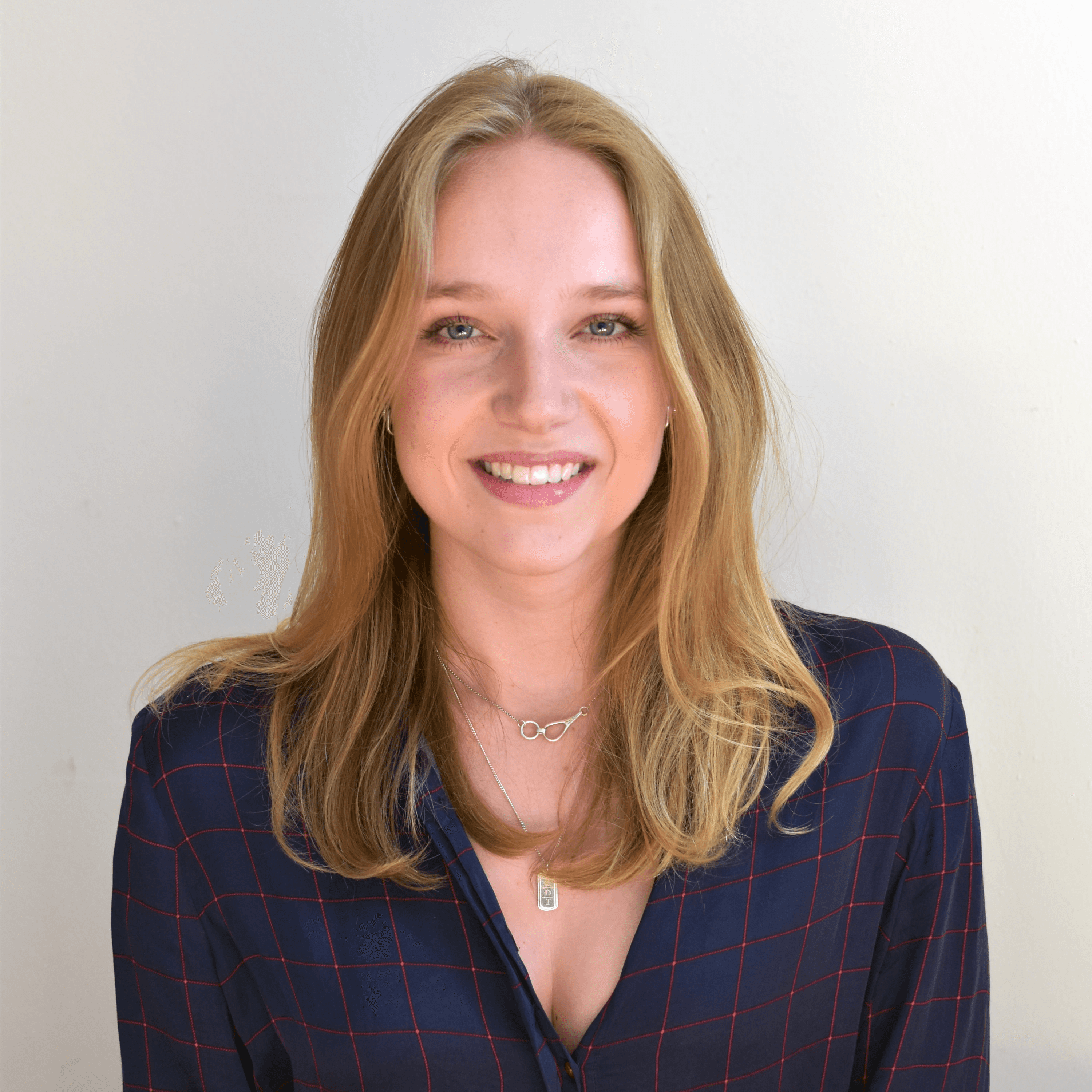
I'm Sterre van Dijk, founder of Seven Purple Mangos. A page that converts starts with the promise in your ad. When you choose a creative agency for a campaign, you look at who writes the page, who owns the message and who sets up the tracking. The same person has to have seen the ad that sends visitors to that page.
Google calls Quality Score a general indicator for working out where to improve. The landing page is one of the three parts. That makes the question of who holds ad, page and measurement together concrete right away.
In this post you read what the choice is really about: the page belongs to your ad, who writes the page and who owns the message, who sets up the tracking and who reads the numbers. Then I place three kinds of partner next to each other: the web design agency that starts at the wireframe, the builder who never sees your campaign, and the partner with one point of contact from the first call to the last file. You see what fragmentation costs, when which type fits and what to ask in the first call, so you walk into your next conversation sharper.
Where the choice is really about
When you have a page made for paid traffic, four questions decide whether clicks become actions: who writes the page, who owns the message, who sets up the tracking, and has the designer seen your ad?
Style, the number of wireframes and the colours say little about that. A page that does not repeat the promise from your ad lets paid traffic drain away. The click was paid for, the answer is missing.
Google describes Quality Score as a diagnostic tool, not an optimisation goal. The landing page is one of the three inputs.
Anyone looking for a creative agency for a page that has to convert asks for criteria at this stage. A new logo solves nothing. Look at who holds the ad, the page and the measurement together.
Your page belongs with your ad
The link between your ad and your page has a name. Message match is the degree to which your page headline repeats the specific promise from your ad headline, as Stackmatix describes it.
Your Quality Score runs from 1 to 10. Count.co calls 7 to 10 high and 1 to 4 low. GenPage reports conversion lifts after page improvements, but their figures are one experience of their own without a sample.
Count on several rounds of measurement. A change to your page needs time to show up in your score. That is a claim from Count.co itself, not from Google. Anyone drawing conclusions after one week is guessing.
Who writes the page and who owns the message
The next question is about who writes that page. Ask who makes the headlines and the body copy, and whether that person has read the ad the click came from.
A copywriter who starts after the design delivers text that fits the design. The promise from your ad gets buried.
Owning the message means one person deciding what the ad promises and what the page promises, from the first call to the last file. A partner who already knows your brand does not have to learn your tone again every time. That saves rounds and words nobody meant.
Agree who may change the copy when the ad changes. That keeps the page sharp without extra meetings. Now the copy and the owner are clear, tracking is what is left.
Who sets up the tracking and who reads the numbers
Copy and message sit with one person. The next question is about the numbers.
Ask who sets up the conversion events and the goals, and whether that sits in the same job or comes on a separate invoice. For analytics with cookies you have to inform your visitor and often ask for permission in advance.
Then pick two or three numbers that describe the action on the page. Forms, applications, purchases or phone calls. Clicks say little.
And a designer who never sees your campaign cannot judge whether the button sits right for the traffic coming in.
I work with fixed delivery days and a weekly check-in, so you see what the page does before you spend more budget. Do not wait for perfect measurement. Two weeks with a rough measurement teach you more than months of waiting for a full report.
Where that ownership sits differs per kind of partner.
Three kinds of partner side by side
In practice you get three kinds of partner. They differ in who owns the message and who reads the numbers.
Type one is the web design agency that starts at the wireframe. Structure and sitemap come first, the ad later. There the question of who owns the promise often stays open.
Type two is the builder or platform that builds the page without ever seeing your campaign. Type three is one person who holds the ad, the page and the measurement together.
With type two the message stays with you. With type three it sits with the same person who reads the numbers.
Some agencies cut ad creative, web design, CRO and analytics into separate lines. That is exactly the fragmentation to watch for.
Place the different kinds of design services next to each other before you choose a partner.
The web design agency that starts at the wireframe
This type starts with structure: a sitemap, then wireframes. Your ad comes up later, if it comes up at all.
It gives you careful work. The page reads calmly.
The weak spot is the promise. Yours from the ad is rarely leading, so the page becomes a business card instead of an answer to a click.
With this type, ask who writes the copy. Also ask whether anyone saw your ad before the first sketch hit the table. If you do not get a clear name, you know enough.
This type fits brands that mainly want their page to look better and read more clearly.
The builder who never sees your campaign
Next to the agency that starts at the wireframe sits the builder or the platform. You get a working page, live fast, and you can change headlines and sections yourself without a developer. That is the strong point.
The weak point: nobody looks at the click you paid for. The builder knows little about the traffic landing on it. Your ad can promise anything while the page says something else.
As described earlier, the landing page experience is one of the three parts of Quality Score. Without alignment you lose in two places: the click you already paid for, and the score showing your page does not fit.
So ask who sets the conversion goals and who reads the numbers after two weeks. If you do not get a name, you are doing it yourself. That is the gap type three tries to close.
One person who holds ad, page and measurement together
Against that stands the third option: one person who holds the ad, the page and the measurement together. That person sees the promise in your ad and writes the page that keeps it. That is the core of what I do at Seven Purple Mangos.
The strong point is that nothing gets handed over. No briefing from agency to copywriter, no message breaking on the way. And you have one point of contact for the number you ultimately settle on.
The weak point is just as honest: one person has a limit on size. Ask up front what is and is not in the project, so you do not find a gap halfway.
With me, ad creatives and landing pages come from one hand, built in Figma and Framer. You get a fixed price before you decide anything, and I stay with the same story from the first call to the last file.
What fragmentation costs you
Working with four suppliers means explaining four times who your customer is and what your ad promises. Everyone starts over, and you are the only one who knows the whole story.
Every link adds waiting time. The ad is already running, the page is not finished, and all that time you pay for clicks that land nowhere yet.
A weak page experience stops visitors finding what they came for. It also costs you the visitor's trust.
The bill stays the same or goes up. Three parties charge for three introductory calls and three deliveries, and you sit in all three.
And there is no owner for the end result. If the number drops, everyone points at the previous link while your budget keeps running.
The question then is which kind of partner fits your situation.
When which type fits
Now you know what fragmentation costs, one question remains: which type fits you.
With a small budget and a strong copywriter of your own, a builder is enough. Just put one person on the conversion goals, otherwise nobody measures what the page does.

If you are growing and scaling paid traffic, owning the message weighs heavier than a big portfolio. A showreel says nothing about whether the page repeats the promise from your ad.
If a paid media team already runs your ads, you are looking for a designer who knows campaigns from the inside.
Still unsure? Count the number of people who have to approve something. More than two is usually too many, because every approver adds a round.
Finally, look at the tool. If you work in Framer or Shopify, ask whether the partner builds in it before you sign. I build in Framer myself, so you do not have to ask separately.
What to ask in the first call
You now know which kind of partner fits you. In the first call you ask five questions. They cost you ten minutes and prevent months of hassle.
Question one: who writes the page headlines, and has that person read your ad before starting? If the answer is "the copywriter, later", you know the promise from your ad can disappear along the way.
Question two: who sets up the conversion events? Is that in the same job, or do you need a separate party for it?
Question three: which two or three numbers do we discuss together, and how often do we talk about them? Plan a weekly check-in in the first month.
Question four: who is my point of contact if the page underperforms? Ask for a name, not a team.
Question five: what does it cost, when is it done, and which delivery dates are fixed? Ask for a fixed price before you decide anything.
That is it.

What you take to your next call
Take the four core questions to your next call. Who writes the page, who owns the message, who sets up the tracking, who has seen the ad. Whoever answers those four clearly holds the click and the page together.
Then have your partner show you your ad before a wireframe hits the table. There you see straight away whether the click and the page promise the same thing.
That is how I work at Seven Purple Mangos: ad and page from one hand, from the first call to the last file.
Conclusion
The core is simple. Ad, page and measurement belong together. Whoever answers the four questions clearly keeps the click and the page in line. At Seven Purple Mangos that sits in one project, from the first call to the last file.
Veelgestelde vragen
Waarom hoort de landingspagina bij de advertentie en niet alleen bij het ontwerp?
Een pagina die converteert begint bij de belofte in je advertentie. Message match is de mate waarin de kop van je pagina de specifieke belofte uit je advertentiekop herhaalt. Als de pagina die belofte niet herhaalt, stroomt betaald verkeer weg: de klik was betaald, maar het antwoord ontbreekt.
Wie moet de koppen en bodycopy van de pagina schrijven?
Vraag wie de koppen en de bodycopy maakt, en of die persoon de advertentie heeft gelezen waar de klik vandaan komt. Een tekstschrijver die pas na het ontwerp begint, levert tekst die het ontwerp past, waardoor de belofte uit de advertentie ondergesneeuwd raakt. Leg ook vast wie de tekst mag aanpassen als de advertentie verandert.
Welke vragen moet ik stellen aan een partner in het eerste gesprek?
Vraag wie de koppen schrijft en of die persoon de advertentie heeft gelezen; wie de conversie-events opzet en of dat in dezelfde opdracht zit; welke twee of drie getallen je samen bespreekt en hoe vaak; wie je aanspreekpunt is als de pagina niet presteert, met een naam en niet een team; en wat het kost, wanneer het klaar is en welke opleverdata vastliggen, bij voorkeur als vaste prijs.
Welke drie soorten partners zijn er en wat is hun zwakke plek?
Het webdesignbureau dat bij de wireframe begint levert verzorgd werk, maar de belofte uit de advertentie is zelden leidend, waardoor de pagina een visitekaartje wordt. De builder of het platform levert snel een werkende pagina, maar niemand kijkt naar de klik die je betaalde. Eén persoon die advertentie, pagina en meting bij elkaar houdt, zorgt dat er niets wordt overgedragen, maar heeft een limiet aan omvang, dus vraag vooraf wat wel en niet in het traject zit.
Hoe lang moet ik wachten voordat ik conclusies trek over de pagina?
Reken op meerdere meetrondes, omdat een aanpassing aan de pagina tijd nodig heeft om terug te zien in je Quality Score. Wie na één week al conclusies trekt, gokt. Wacht daarbij niet op een perfecte meting: twee weken met een ruwe meting leren meer dan maanden wachten op een volledige rapportage.